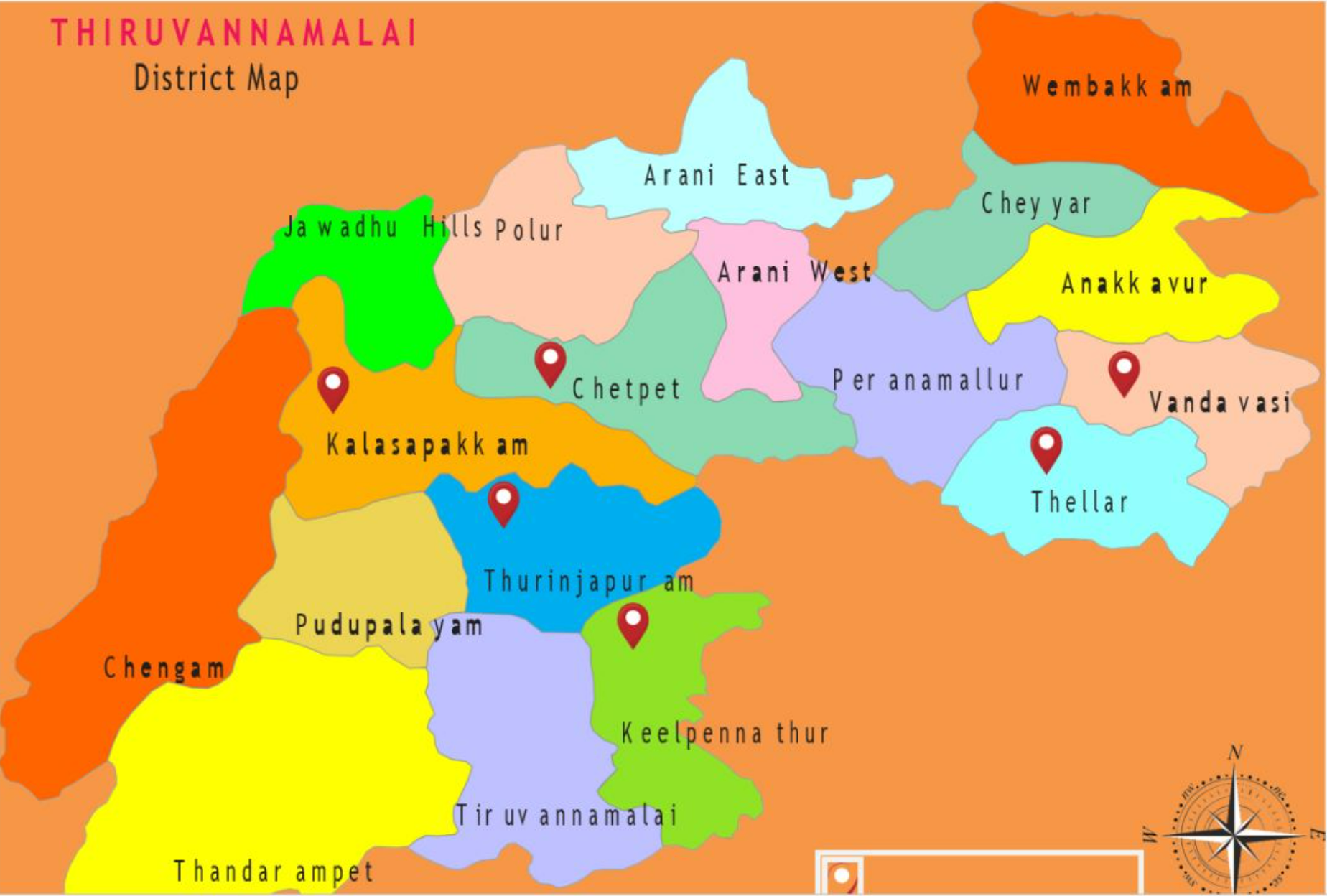
THE DISTRICT
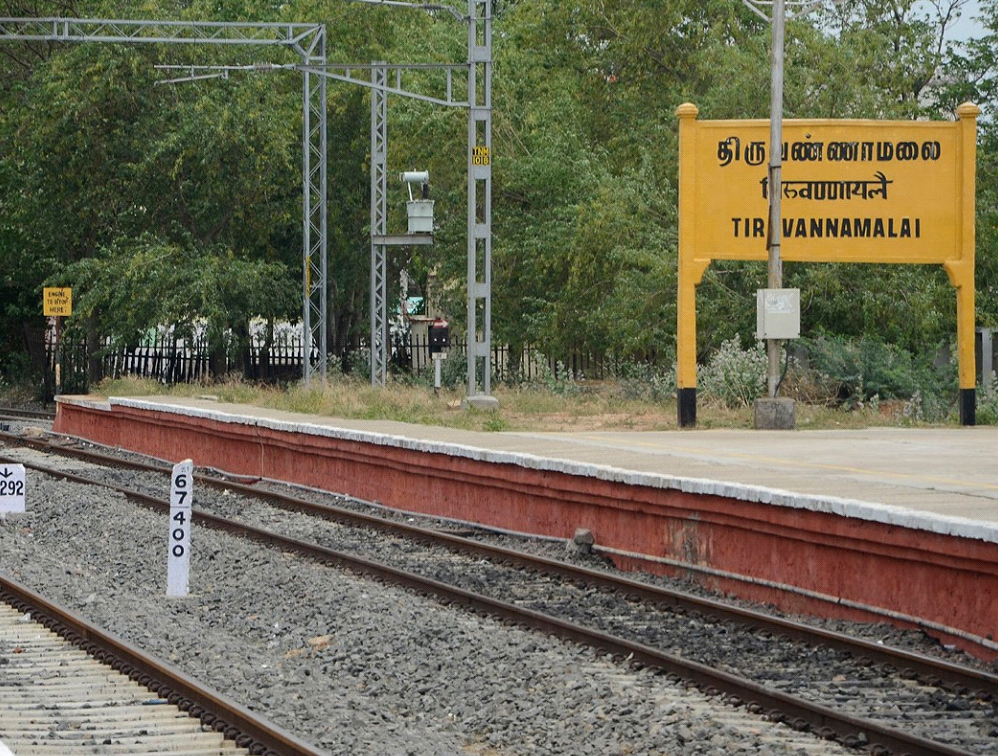
Spiritual seekers from all over world come to Tiruvannamalai, a Pilgrimage city, filled with living enlightenment gurus. This ancient town has been built around Arunachala hill (Annamalai hill), a mountain raising 4000 m from the ground. The city is located 200 kilometers from Chennai.
The North and west of Tiruvannamalai is covered by Vellore district and the southwest is by Krishnagiri district. Both Villupuram and Kanchipuram districts are located in south and east side of Tiruvannamalai district respectively.
The District lies between 11.55º and 13.15º North latitude and 78.20º to 79.50º East longitude. The District lies between 11.55º and 13.15º North latitude and 78.20º to 79.50º East longitude.
Physiographically, the district formed an undulating terrain dotted with clusters of hillocks, particularly in the western and northwestern parts. Jawadhu hills are the major hilly regions and other smaller hillocks are scattered in Tiruvannamalai, Chengam, Polur, Arni and Kalasapakkam blocks. The area under Forest was 1,53,318 ha. The important hills in the district are Jawadhu hill(2500 ft above MSL), Kailasagiri hill(2743 above MSL) and Tiruvannamalai (2668 ft above MSL) hill.
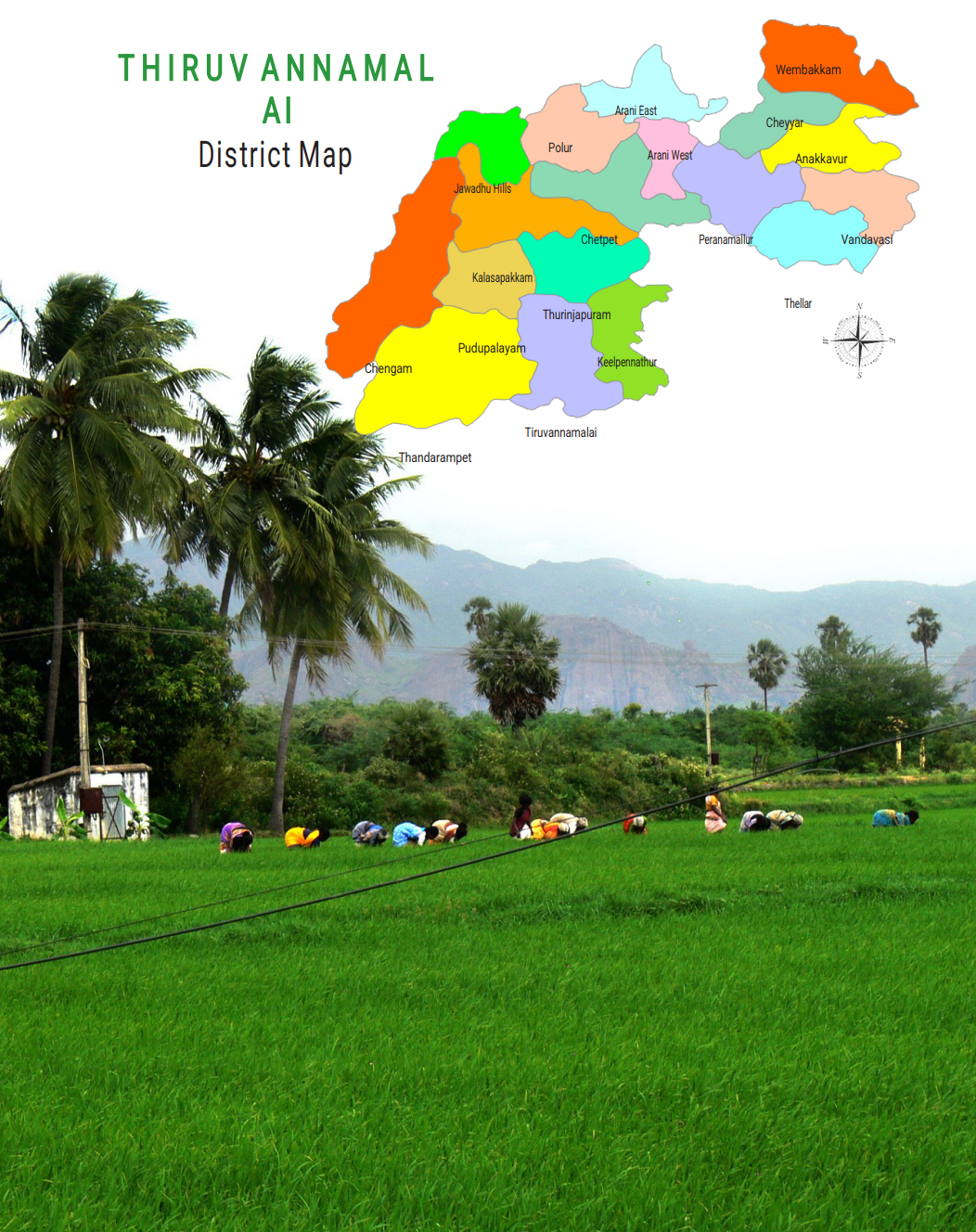
Tiruvannamalai district came into existence on 30th September 1989 after the bifurcation of the erstwhile North Arcot District.. The total geographical area of the district is 6188 Sq K.M comprising the Three Revenue Divisions of Thiruvannamalai, Cheyyar and Arni. Tiruvannamalai District has four Municipalities, 11 taluks, and 18 blocks including one tribal block, 10 Town Panchayats, 860 Village Panchayats and 1067 Revenue Villages.
| S.No | Particulars | Unit in (000) | Percent |
|---|---|---|---|
| 1 | Total Population | 2464875 | |
| Male | 1235688 | 50.12 | |
| Female | 1230277 | 49.87 |
From the above table, it could be noted that the total population of the district was 2464875 out of which male and female accounted 50.12 and 49.87 per cent respectively. Further it could be seen that most of the workers were dependent on agriculture (77.94 per cent).
There are five categories of land holdings. They are marginal (below 1 ha), small (1-2 ha), semi-medium (2-4 ha), medium (4-10 ha), large (10ha and above). Majority of the farmers (95 per cent) in Tiruvannamalai district have less than one hectare occupying 13 percent of the land area.
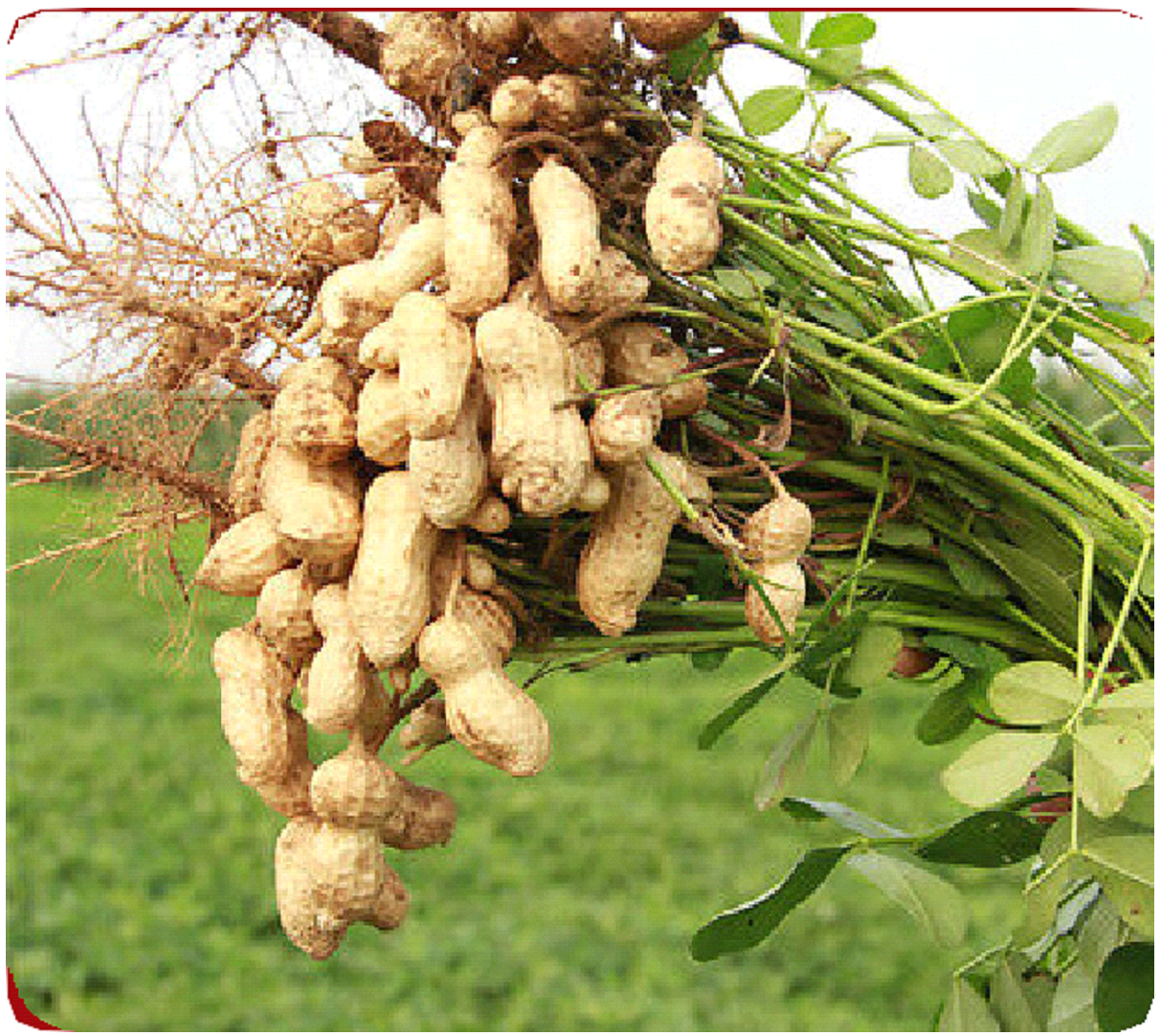
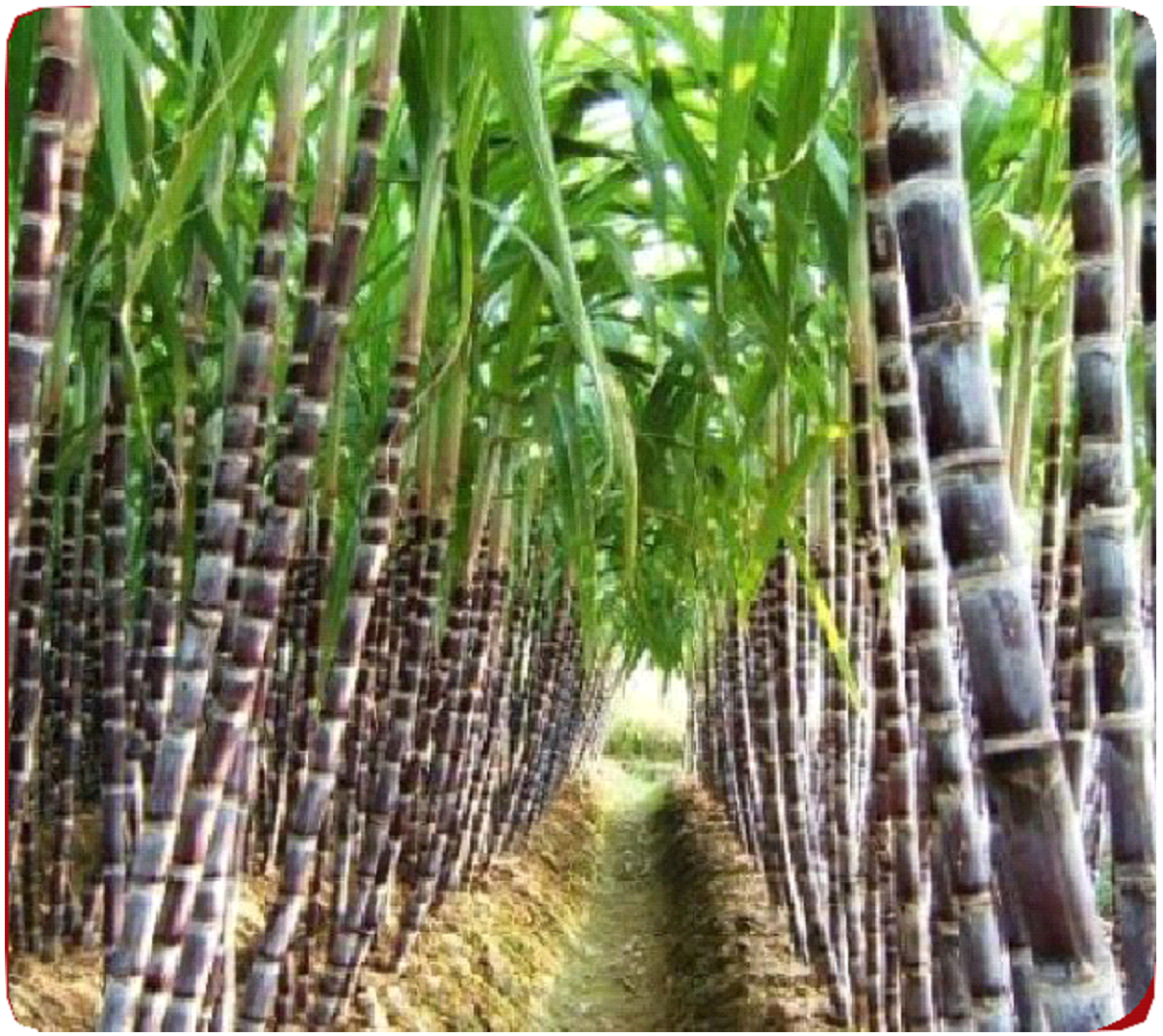
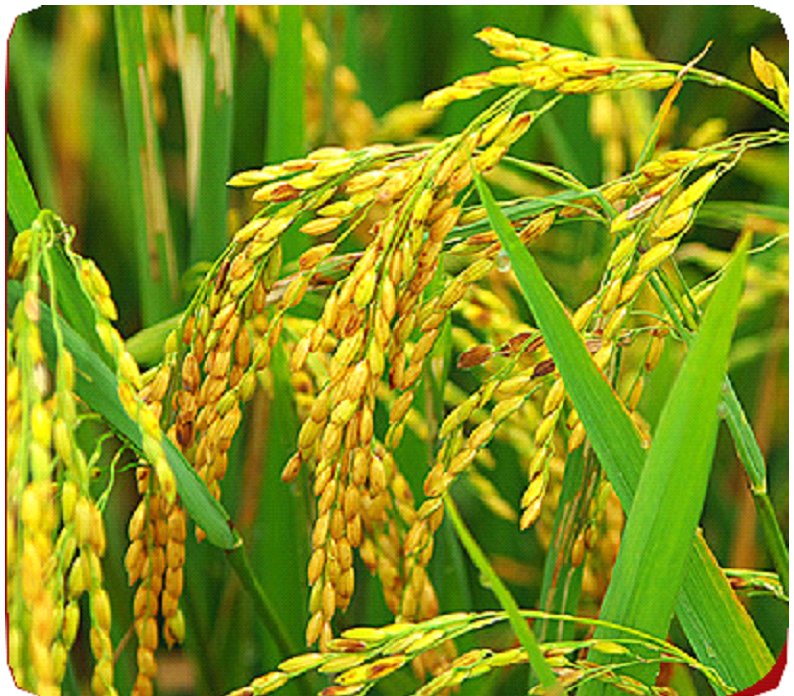
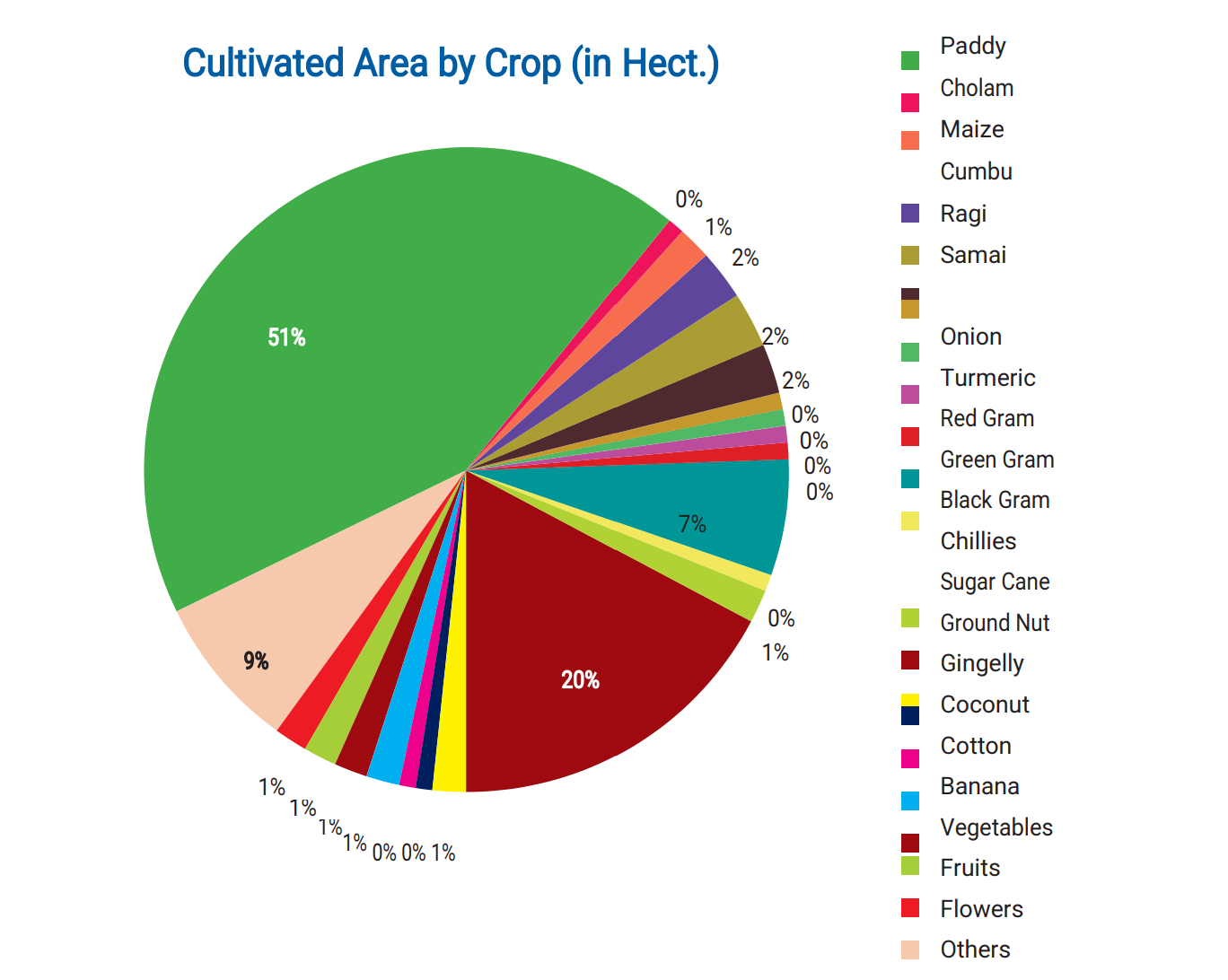
Important crops grown in the district are Paddy, Groundnut, Ragi, Cumbu, Ragi, pulses (Redgram and Blackgram), sugarcane, flowers. The most important cash crop of the district is groundnut. It is cultivated both under irrigated and rainfed conditions. The area under groundnut occupied nearly 42 per cent of the total cultivated area of the district. Sugarcane is the next most important cashcrop of the District.
The sequence of cropping season is from (April to July), Samba/ Thaladi/ Pishanam (August to November) and Navarai / Kodai (December to March). Black gram is one of the important pulses grown in both Kharif and Rabi seasons. Red gram is sown mainly under rain-fed condition.
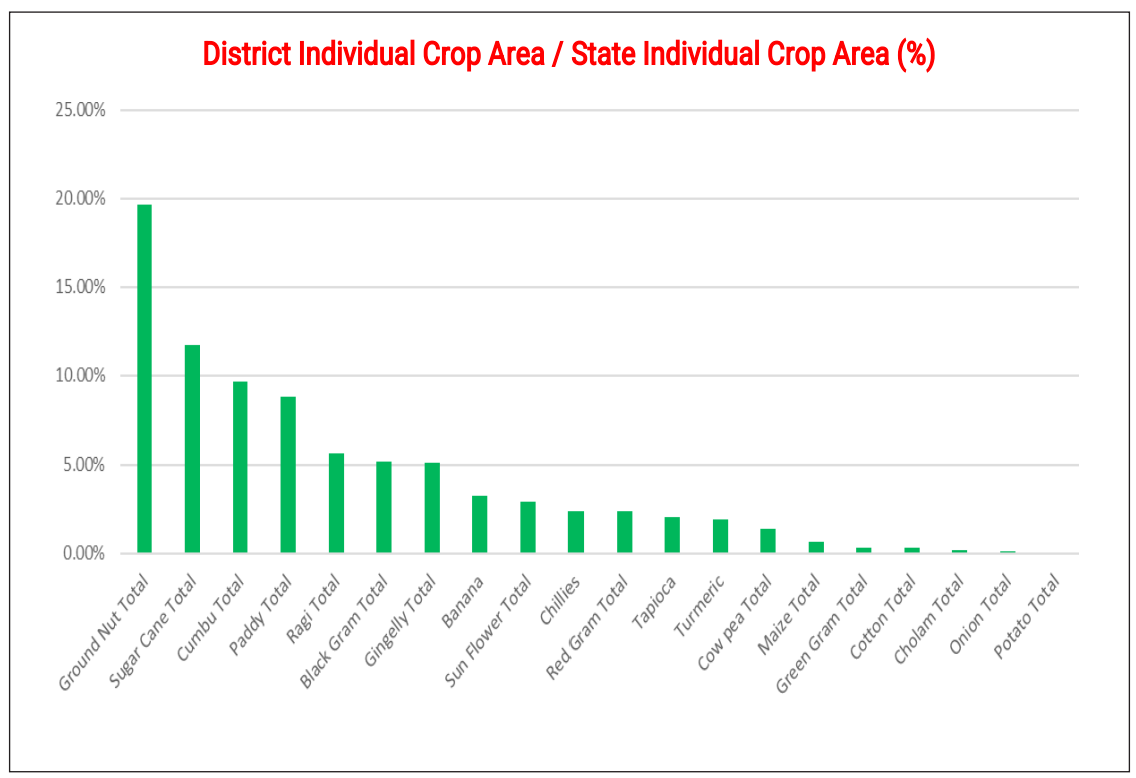
The major crops in the district considering the area of cultivation are Groundnut, Blackgram, Cumbu, Ragi, and Gingelly (excluding Paddy).
Paddy and Sugarcane are the major crops in T.V.Malai in area of cultivation. But these two crops are high water users and have more regulated approaches. Hence excluding these two crops, Ground Nut and Black Gram stand as prioritized crops.
| Crop | State | Tiruvannamalai | Percentage to state | Ranking |
|---|---|---|---|---|
| Groundnut | 282488 | 51030 | 18.06 | 4 |
| Cumbu | 49673 | 4196 | 8.45 | 12 |
| Ragi | 61362 | 1644 | 2.68 | 9 |
| Blackgram | 429784 | 36210 | 8.43 | 2 |
| Gingelly | 28231 | 790 | 2.80 | 16 |
The district contributes significantly to the state’s Area of production in Groundnut, Cumbu and Blackgram. The area of cultivation of Groundnut to the state is substantial (18.06%). This may be owing to the climate and soil of Tiruvannamalai. The cultivation of organic millets especially cumbu(bajra) and samai in the tribal tract is very unique to Tiruvannamalai.
| Crop | State | Tiruvannamalai | Percentage |
|---|---|---|---|
| Groundnut | 588854 | 78561 | 13.34 |
| Cumbu | 102250 | 16293 | 15.93 |
| Ragi | 114429 | 4662 | 4.07 |
| Blackgram | 184610 | 12416 | 6.73 |
| Gingelly | 10837 | 363 | 3.34 |
Tiruvannamalai share in terms of production of the state is 13.34% and 15.93% to State in production of Groundnut and Cumbu respectively. Tiruvannamalai district’s share in contribution to the production of Groundnut (13.34%), Cumbu (15.93%),Ragi(4.07%), Blackgram(6.73%), and Gingelly (3.34%)in Tamil Nadu State. Paddy, Groundnut, Millets and Pulses are widely cultivated in Tiruvannamalai district in terms of area and production.
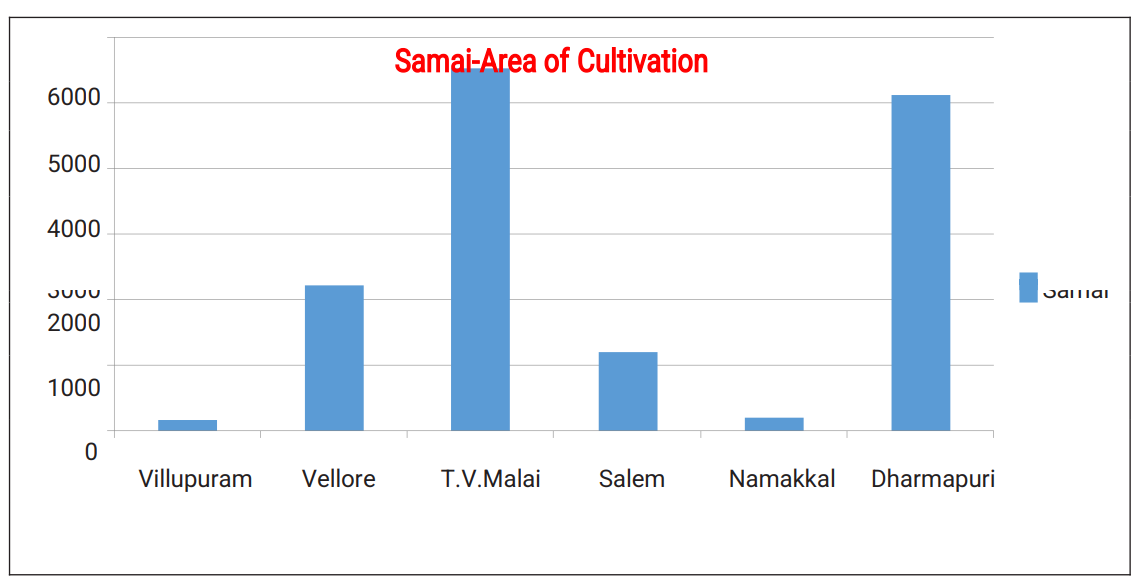
Samai : The district tops the state in Samai cultivation. The production area of samai from different districts in Tamilnadu .
In Tiruvannamalai Samai:is widely cultivated in the Jawadhu Hills.
| S.No | Crops | State | District |
|---|---|---|---|
| 1 | Groundnut | 2085 | 1589 |
| 2 | Cumbu | 2058 | 1817.15 |
| 3 | Ragi | 1865 | 1817.5 |
| 4 | Blackgram | 430 | 410.07 |
| 5 | Gingelly | 384 | 445.5 |
The average productivity of Gingelly at district level is higher than the state level average productivity which could be inferred from the above shown table. There is a substantial potential to increase the productivity of Groundnut, Blackgram, Cumbu and Ragi.
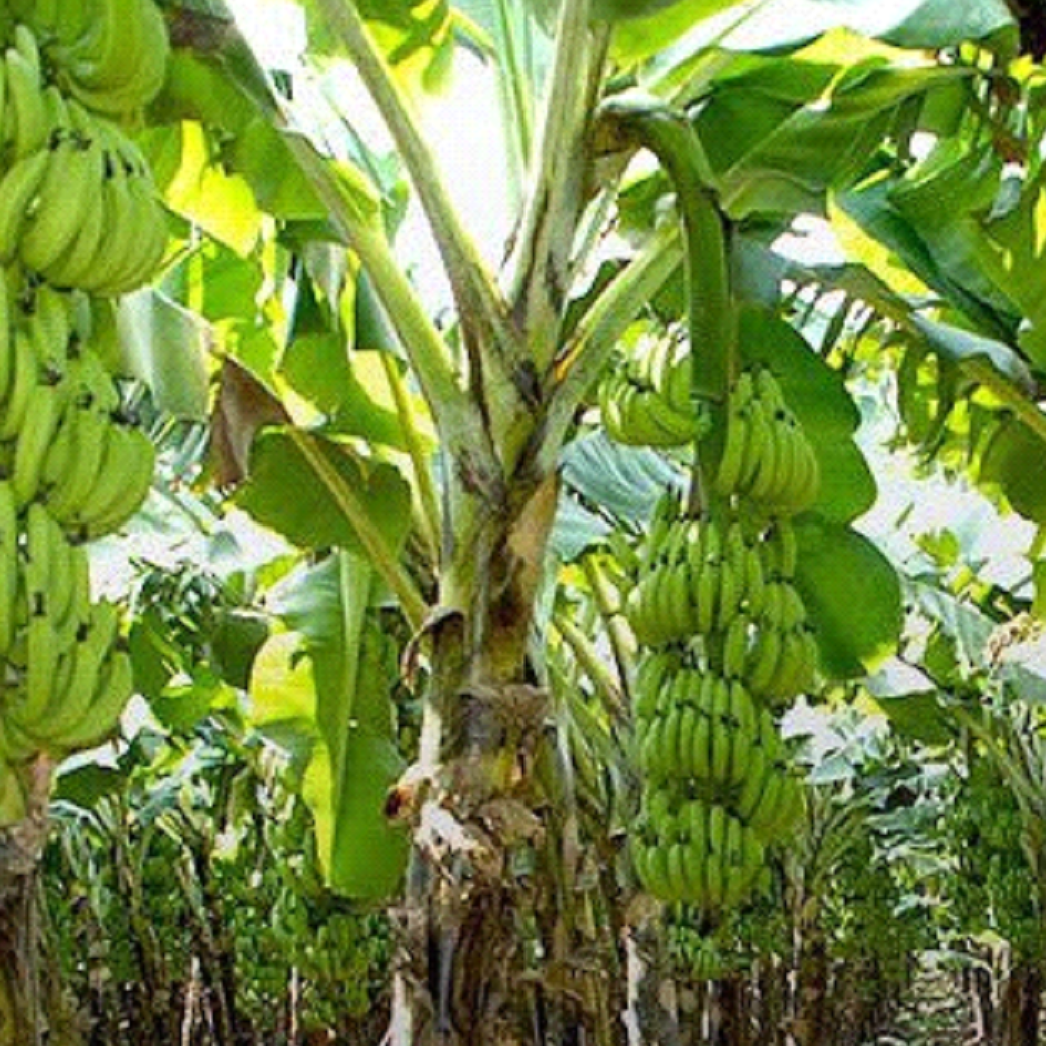
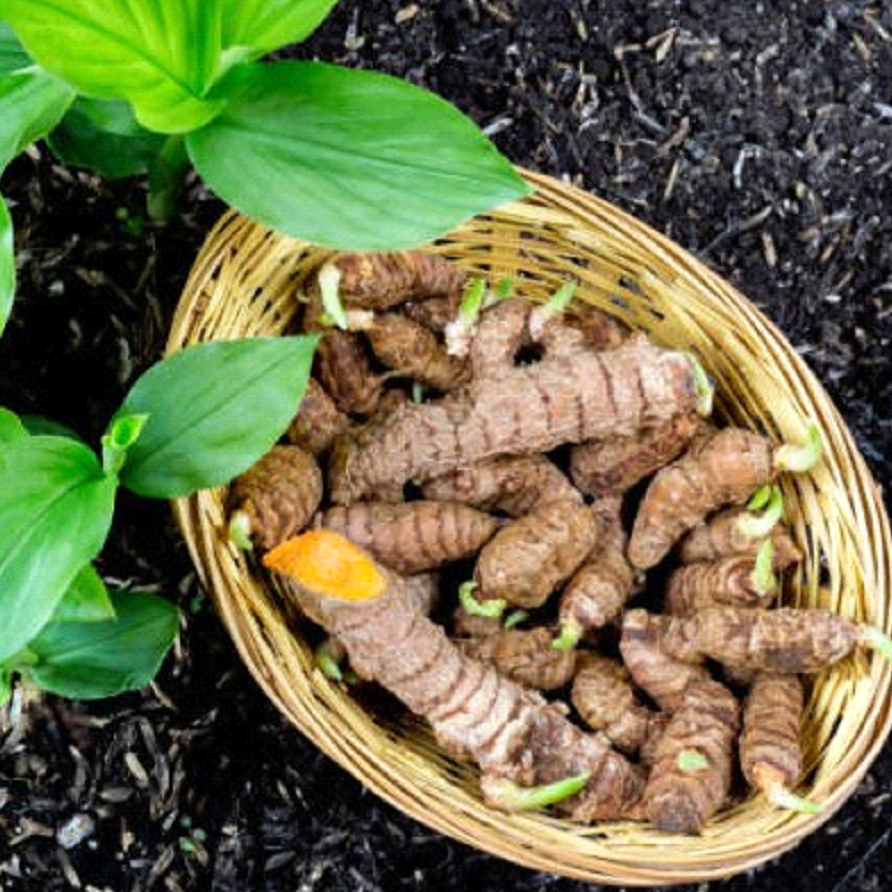
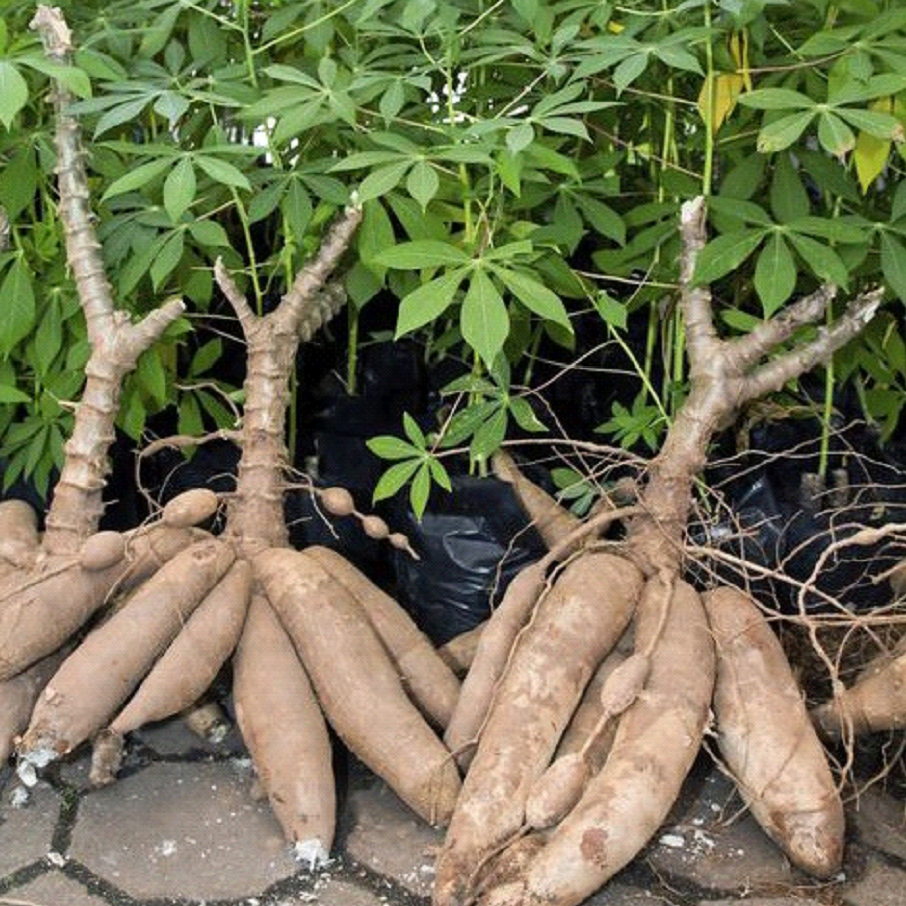
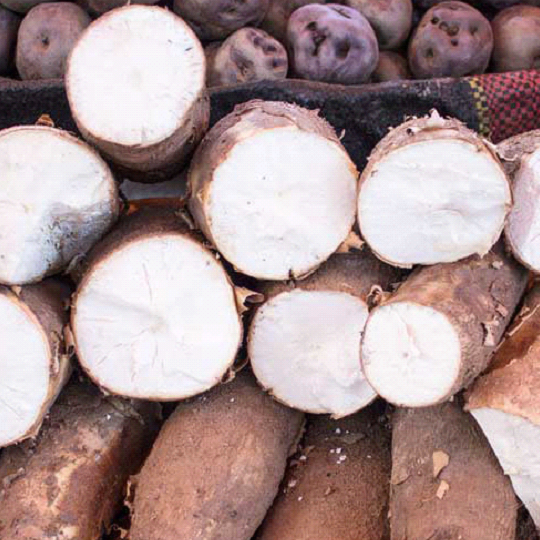
The major horticultural crops are banana (2769.67 ha), mango (671.33 ha), turmeric (658.33 ha) and tapioca (2,609.67 ha) are cultivated in this district.
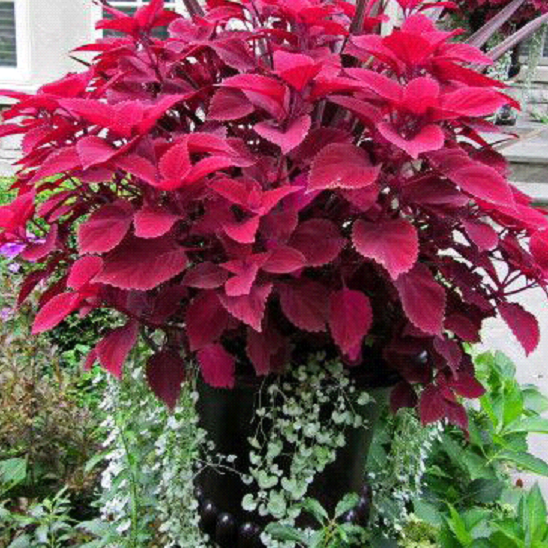
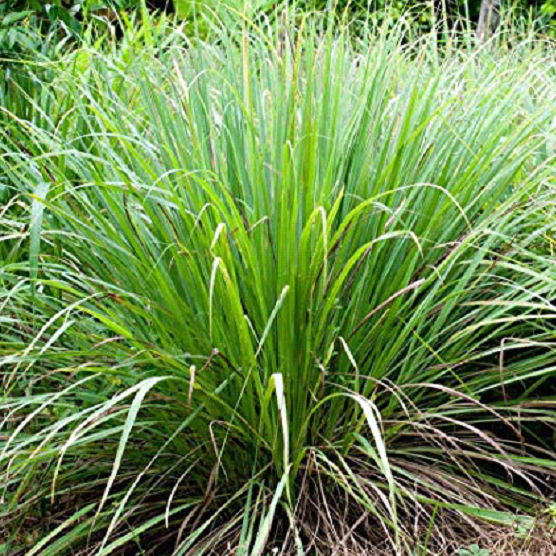
Other Crops like Coleus, Lemon Grass and Palmarosa are grown in Thandrampattu and Chengam blocks. These are promising crops with high medicinal values.
Paddy, Groundnut, Sugarcane and Black Gram are among the top three crops with respect to the area of cultivation against the blocks, Cumbu, Maize, Tapioca, Gingelly and Chillies are the other minor crops cultivated in the crops.
| Block | Major Crops | Minor Crops |
|---|---|---|
| Chetpet | Paddy, Groundnut Sugarcane | Ragi, Redgram and Cowpea |
| Kalasapakkam | Paddy, Groundnut Sugarcane | Cumbu, Tapioca, Cowpea |
| Kilpenathur | Groundnut, Paddy, Blackgram | Maize, Chillies and Gingelly |
| Thellar | Paddy, Groundnut and Sugarcane | Chillies, Cowpea and Ragi |
| Thurinjapuram | Paddy, Groundnut and Blackgram | Ragi, Chillies and Cowpea |
| Vandavasi | Paddy, Groundnutand Sugarcane | Ragi, Chillies and Cowpea |
Chetpet: Paddy (16000 ha), Groundnut (5000 ha) and Sugarcane(1900ha) are the major crops in terms of area of cultivation. Ragi(400ha), Redgram(110ha) and Cowpea & Greengram(75ha) are the minor crops widely cultivated.
Kalasapakkam: Paddy (13900ha), Groundnut (3000ha) and Sugarcane(1900ha) are the major crops in terms of area of cultivation. Other minor crops widely cultivated are Cumbu(325ha), Tapioca(190ha) and Cowpea(80ha) in the block.
Kilpenathur: The major crops widely cultivated are Groundnut (7800ha), Paddy (4700ha) and Blackgram (3600ha) in the block. Maize (295ha), Chillies (285ha) and Gingelly (255ha) are the minor crops are grown in the block.
Thellar: Paddy(7500ha), Groundnut(3500ha) and Sugarcane(900) are the major crops, Chillies (59ha), Cowpea(55 ha) and Ragi (44 ha) are the minor crops cultivated in the block.
Thurinjapuram: Paddy (14100ha), Groundnut (8500ha) and Blackgram(2200ha) are the major crops, Ragi (445ha), Chillies (110ha) and Cowpea(45ha) are the minor crops cultivated in the block.
Vandavasi: The major crops Paddy (6500ha), Groundnut (2900ha) and Sugarcane(1500ha) are predominantly cultivated, Ragi (115ha), Chillies (65ha) and Cowpea(62.5ha) are the minor crops grown in the block.
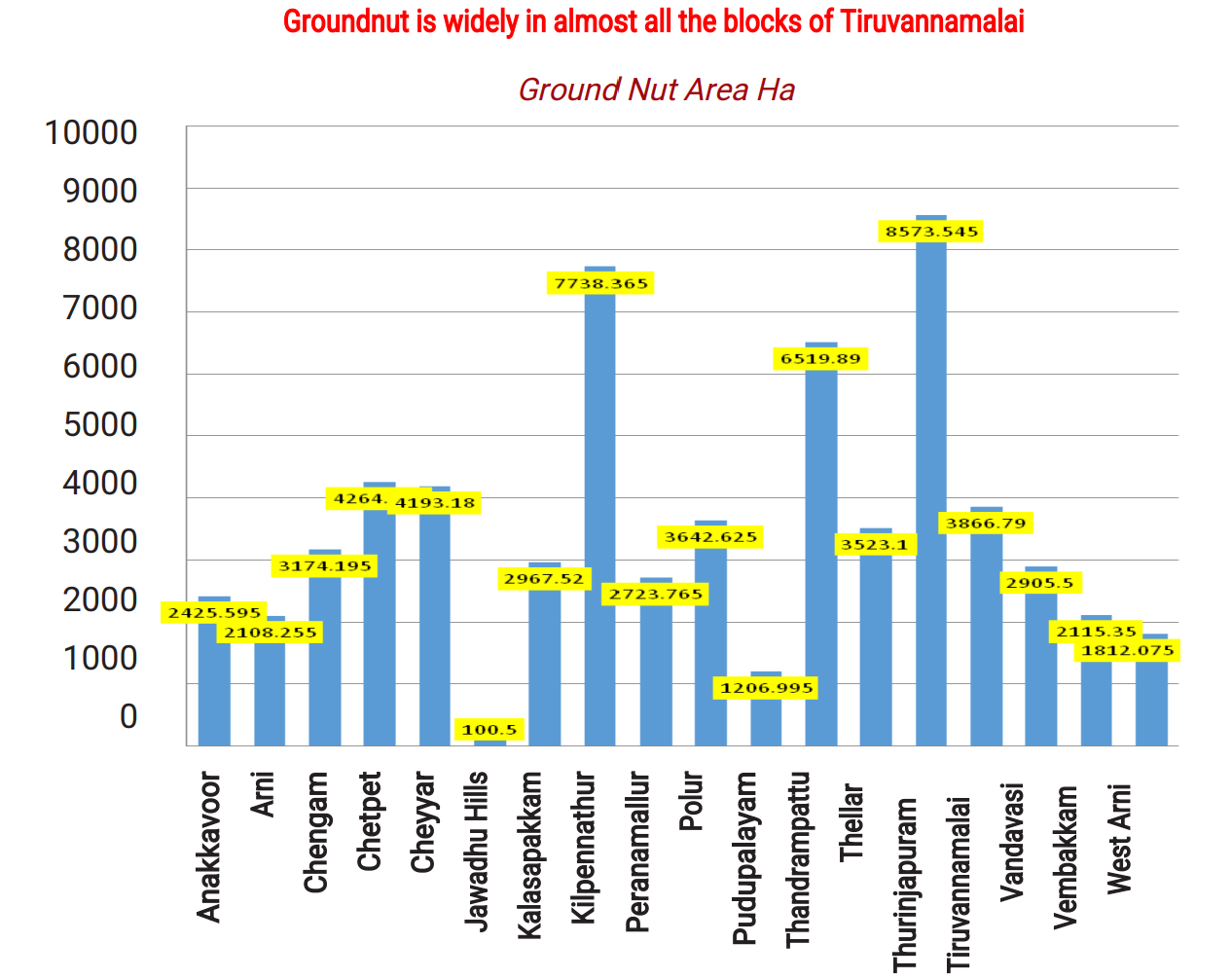
It could be noted that Groundnut is predominantly cultivated in all the blocks. Apart from this Pulses, Millets and Chillies are widely cultivated in all the blocks.
Though Paddy and Sugarcane are the major crops in Tiruvannamalai in area of cultivation, these two crops are high water users and have more regulated approaches, hence could be excluded for further interventions. Therefore Ground Nut and Black Gram stand are the top two prioritized crops.
Tiruvannamalai Thurinjapuram(8573.5ha), Kilpennathur(7738.37ha) and Thandarapet (6519.89ha) lead in term of area of cultivation of groundnut, which is about 13.1%, 12.1% and 10.2% respectively to the total area in groundnut in Tiruvannamalai.
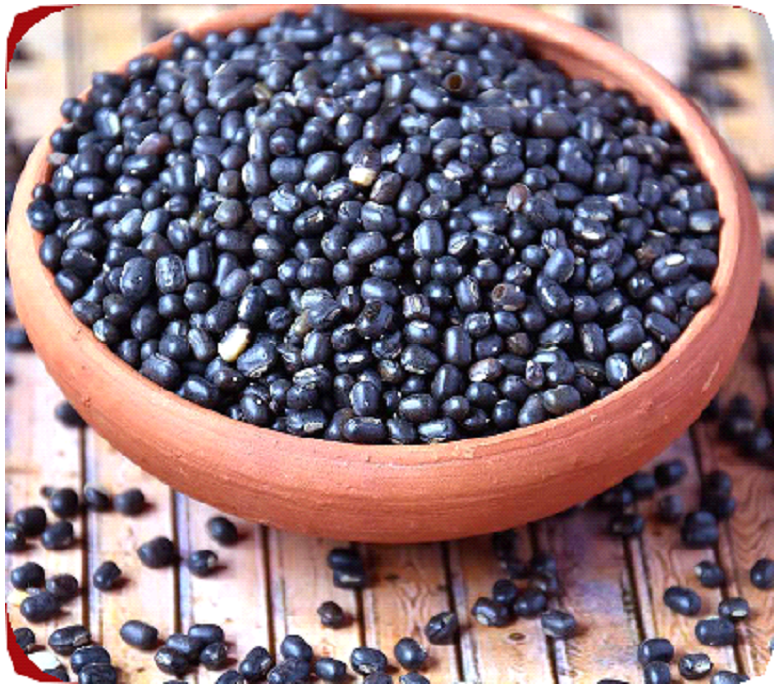
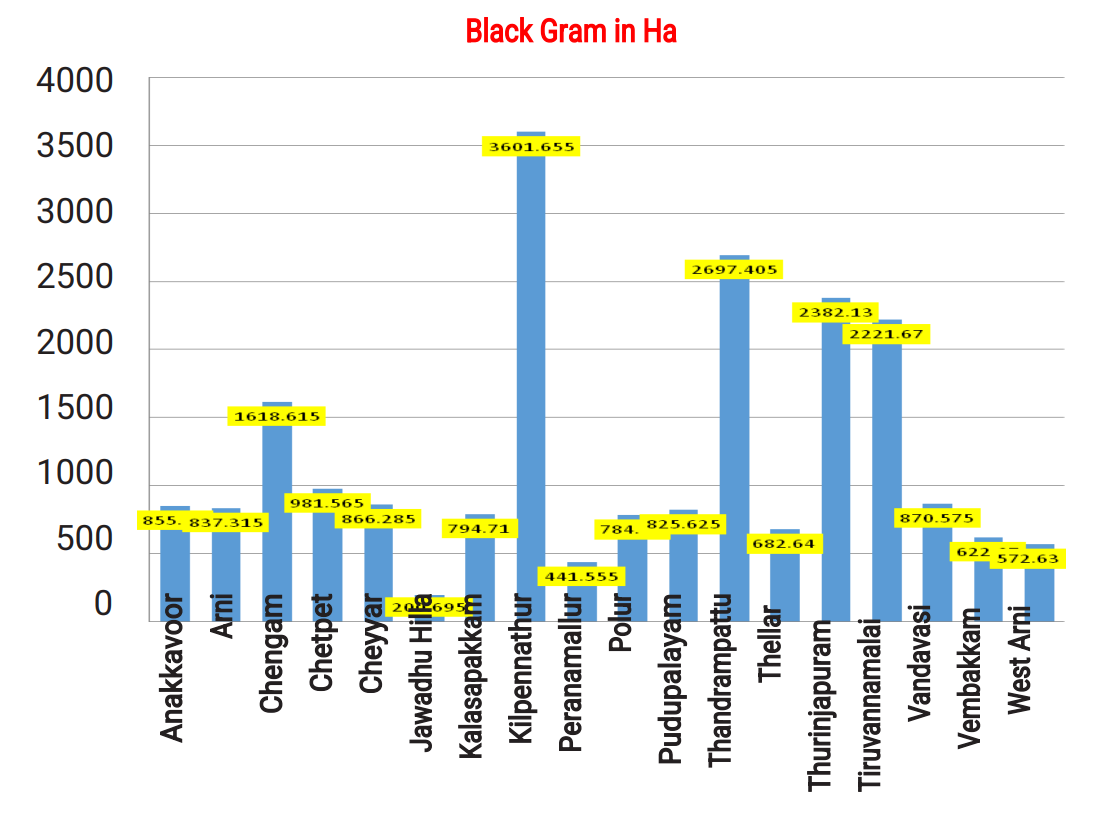
Blackgram is widely cultivated in Kilpennathur(3601.66 ha), Thandarampet(2697.41 ha) ,Thurinjapuram (2382.13 ha) and Tiruvannamalai(2221.67 ha) which contribute 16.35%,12.3%, 10.3% and 10.2% respectively to the district respectively.
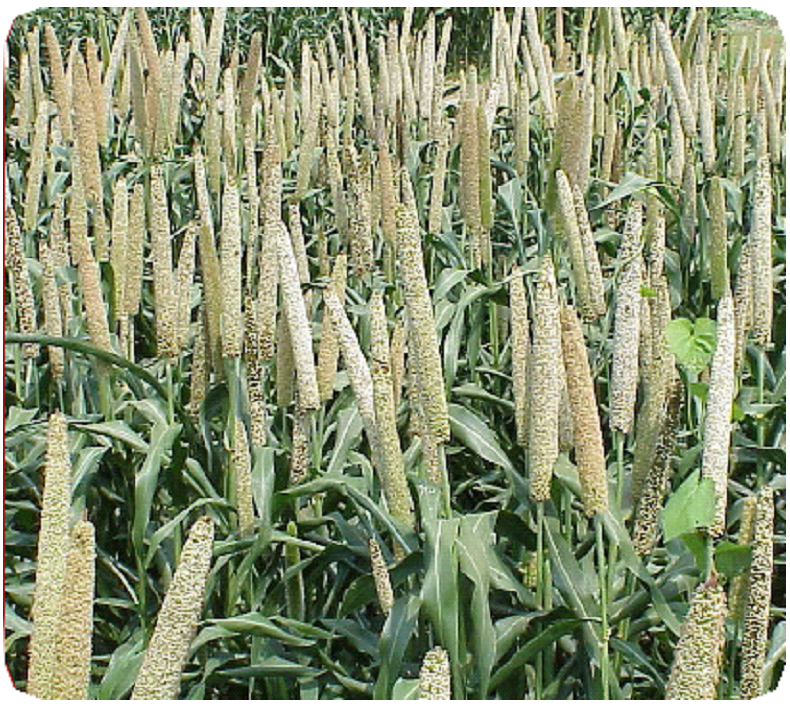
Cumbu is predominantly cultivated in Tiruvannamalai block(1621.72ha), Polur(1381.13ha) and Kilpennathur 1155.165haTiruvannamalai(37.2%).
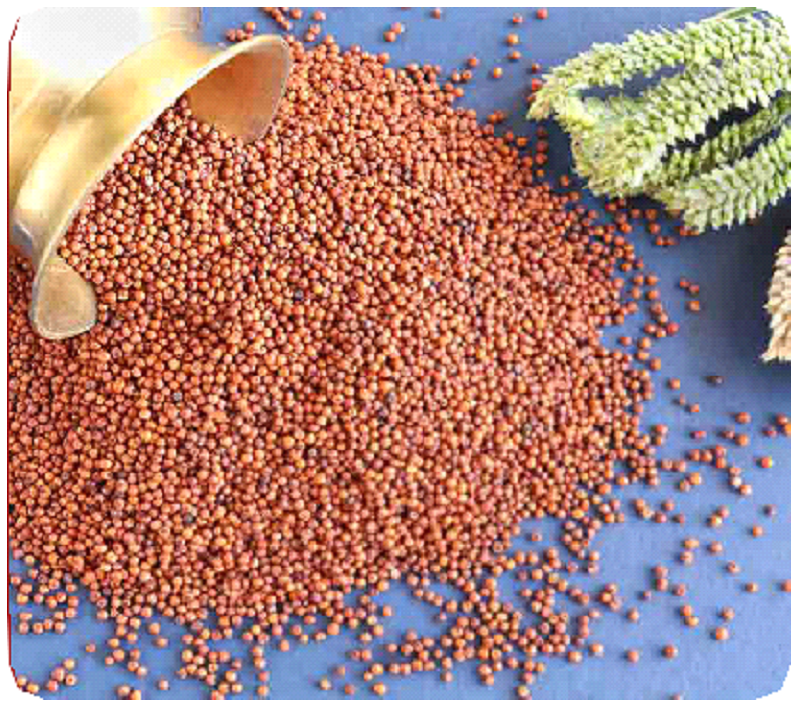
Ragi is widely cultivated in Jawadhu hills, Chengam and Chetpet blocks. Samai is predominantly grown in Jawadhu hills.
Jawadhu Hills(22.2%)and Thandarampet(17.9%) contribute to the area of cultivation of Gingelly in Tiruvannamalai district.
Marketing of agriculture is done through various regulated markets, co-operative marketing societies, Uzhavarsandhai (Fruits and Vegetables), Wholesale markets and Local Shandies. Apart from these Weekly markets and daily markets also exists in the district. The details of markets are as described as under.
| S.No | Type | Total nos |
|---|---|---|
| 1 | Regulated market(APMC) | 9 |
| 2 | Wholesale markets(Traders) | 157 |
| 3 | Co-op marketing societies | 97 |
| 4 | Local Shandies | 23 |
| 5 | Uzhavarsandais | 2 |
| 6 | Cold storage Godowns/td> | 4 |
Regulated market is wholesale market where buying and selling is regulated and controlled by the state government through the market committee. The primary object of regulating the market is to safeguard the interest of the producer sellers raise the standards of the local Markets where the first exchange of the goods takes place. It has 18 regulated markets through which the farmers sell their agri products directly to the government. The number of regulated markets and quantity and value of commodities transacted in those markets.
| No. of Regulated Markets | No. of Sub Regulated Markets | Quantity arrivals(in MT) (Product wise) | Receipts (Rs in Lakhs) (Product wise) | |
|---|---|---|---|---|
| 18 | 2 | Paddy | 187240.12 | 284.26 |
| Groundnut | 7563.05 | 40.61 | ||
| Gingelly | 7563.05 | 40.61 | ||
| Chillies | 191.55 | 1.42 | ||
| Cumbu | 543.23 | 0.71 | ||
| Horsegram | 7.65 | 0.01 | ||
| Ragi | 375.11 | 0.74 |
The average annual rice production in the district was 3.74 lakh tonnes. However, the transaction of paddy through regulated markets in the district was only 1.87 lakh tonnes. Therefore, the reasons for the poor market arrivals to the regulated markets should be identified and the more facilities need to be created in the regulated markets to attract larger arrivals.
Ready availability of groundnut especially the varieties VRI 1,2/TMV 7 have high potential for value addition like barfi making and export to Bangalore and abroad. But the seed cost is very high in Groundnut therefore in need of low cost input kiosks. At present Ground nut is also marketed through regulated markets, 10% also goes to other districts. 90% bought by traders. 10% sold as seed and 80% extracted for oil.
Keelpennathur is a vegetable cluster which needs storage facilities and logistics support to boost up marketing.
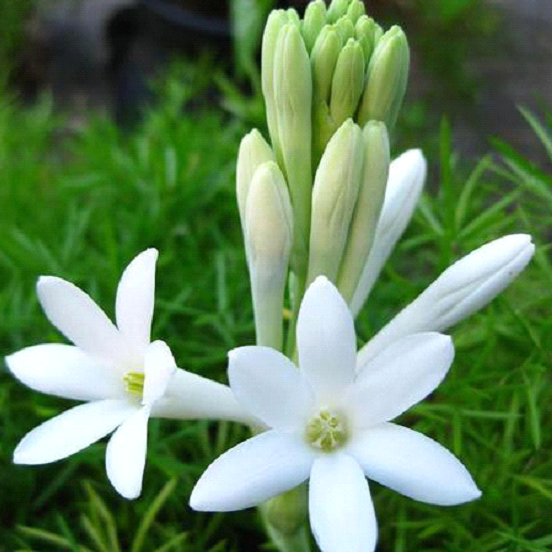
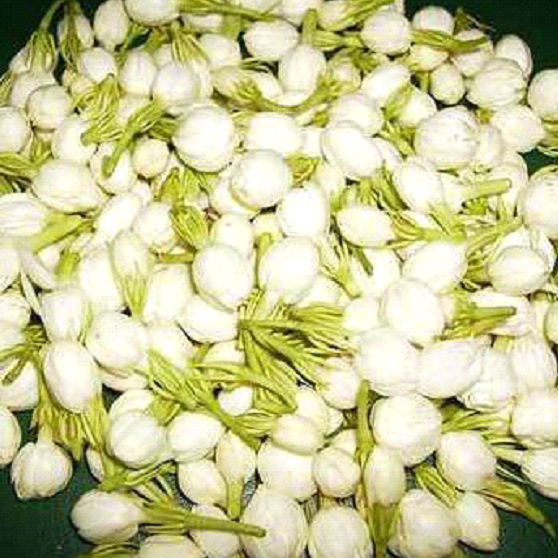
At present Rose is exported from Chengam to Bangalore and also few Jasmine processing units exist in Chengam. Logistical support is required for the transport of Rose and there is a potential for establishing additional Jasmine processing units. There is an increasing trend of cultivating flowers due to increased market demand.
Traditional varieties of Mappillai and Jeeraga samba have huge potential.etc
Breeder seeds are available with the centre for excellence of millets in Tiruvannamalai. There is a huge potential for seed production (labelled seeds) by entrepreneurs. There is a potential of earning of upto Rs10000/ per acre of millet seed production. The varieties are long duration (Irrigated) and short duration(Rainfed). There is need to improve the infrastructure facilities such as thrashing floor and also processing facilities like grading machines. Processed Millet food such as aval, ready to cook, pop up, Flakes have huge potential in Market.
Coleus, Lemon Grass, and Palmarosa are the important hortuicultural crops grown. Coleus is cultivated in 1500 ha and is the highest in the State. The Lemon Grass and Palmarosa oil crops gives net income of Rs 20000/- once in two months. Palmarosa is a dry land crop Coleus gives and income of Rs 1.5 to 2 lakh per harvest per acre. Establishing Oil extraction Units have huge scope as rural enterprises.
The livestock and poultry sector provides ample opportunity and have to be developed in this district as the agricultural labourers population can earn income from this sector during the off season or non-cropping periods.
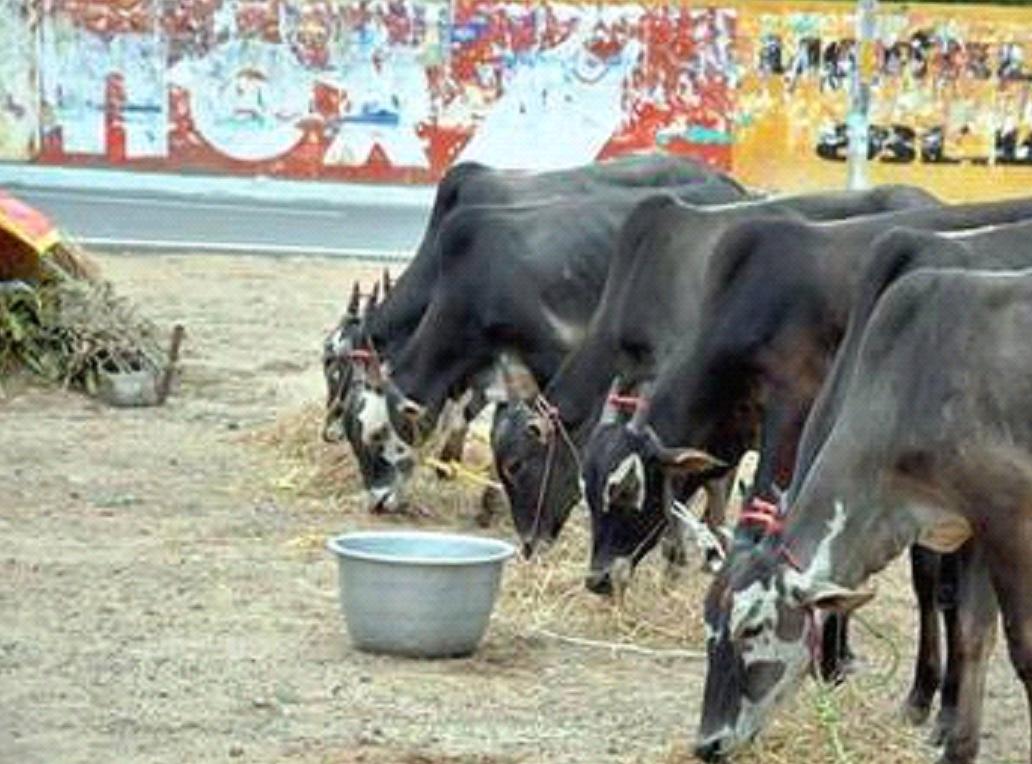
A large number of farmers in this district depend on animal husbandry for their livelihood. In addition to supplying milk, meat, eggs, wool and hides, animals, mainly bullocks, are the major source of power for both farmers and drayer. Thus, animal husbandry plays an important role in the rural economy. Moreover, livestock sector provides supplementary employment and sustainable source of income to many small and marginal farmers.
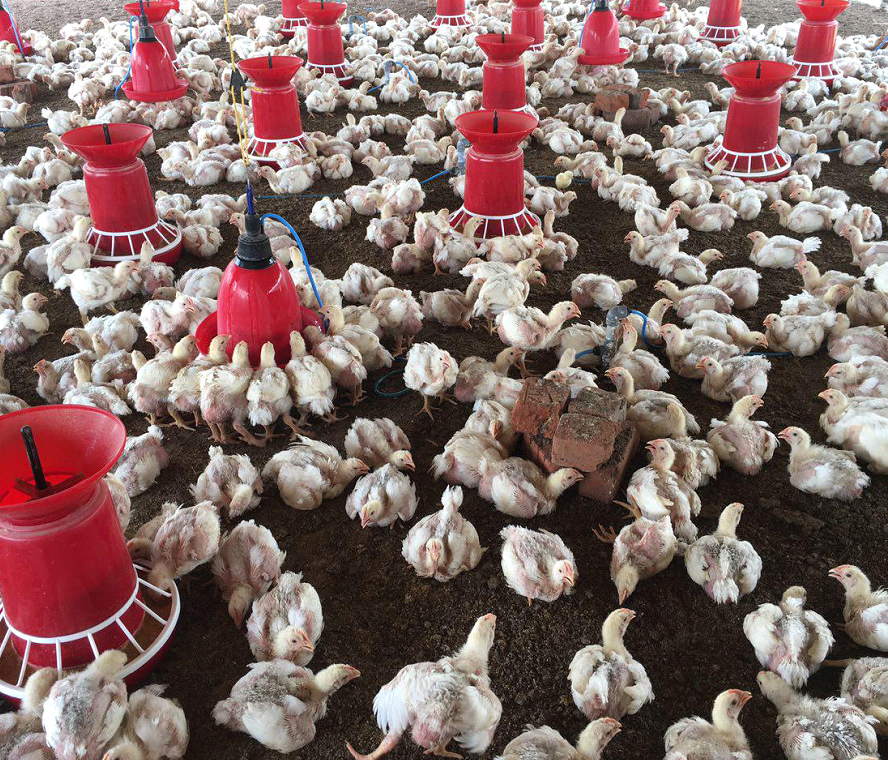
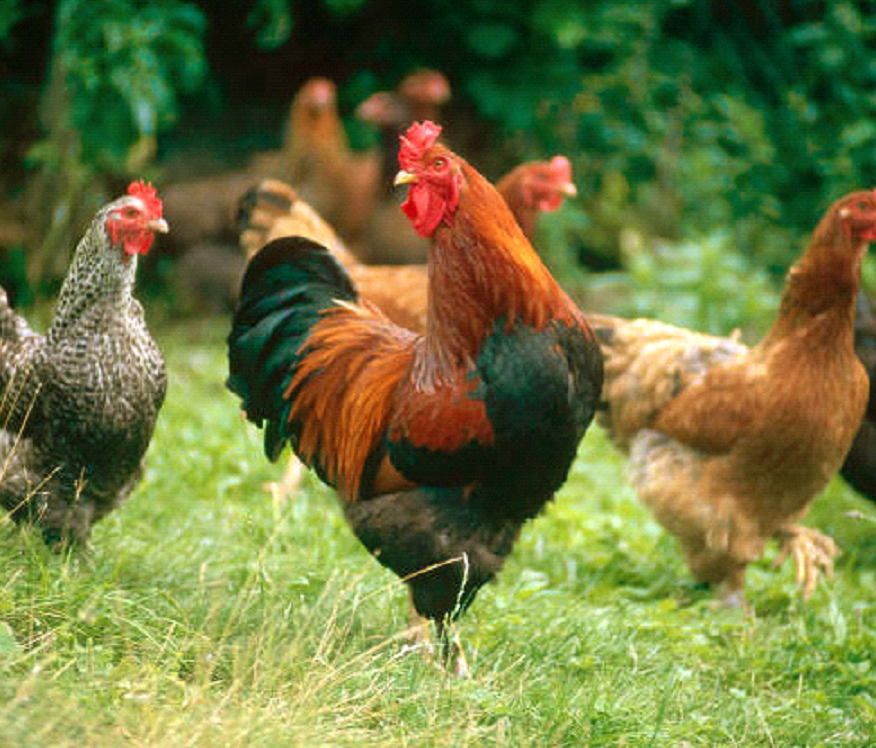
Poultry rearing is one of the important activities of Animal Husbandry Sector in the district.
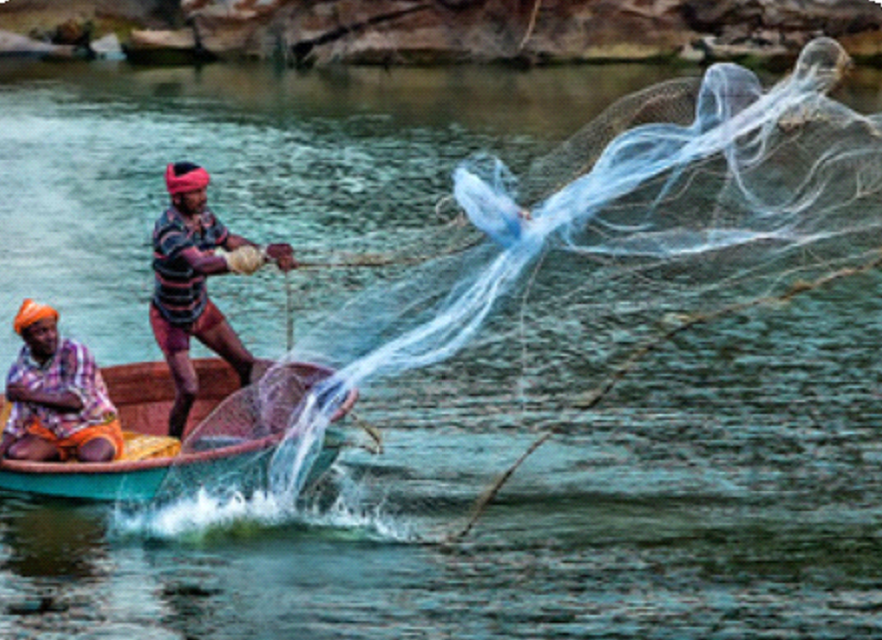
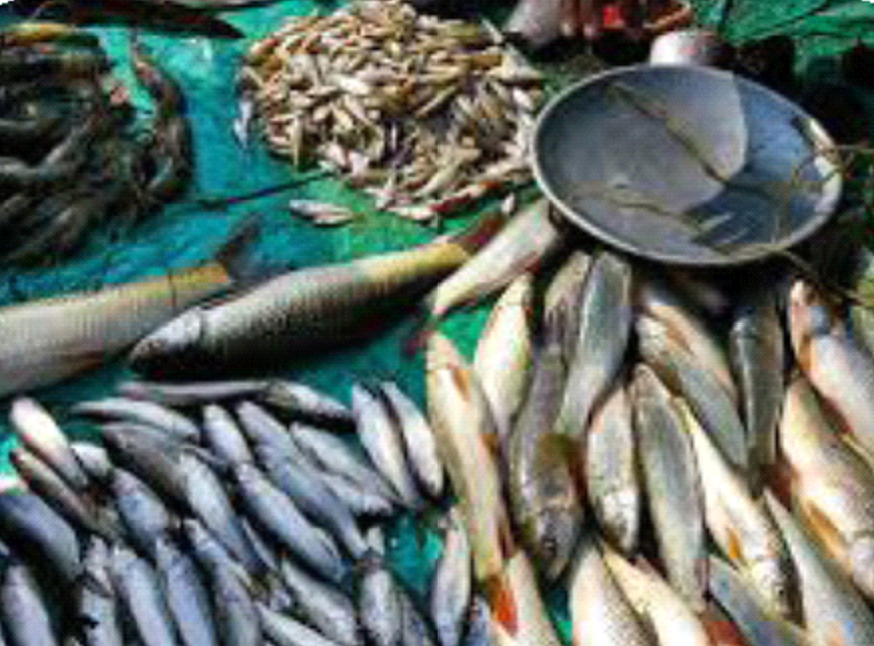
The total inland fresh water spread area in the district is about 2000 ha and produced fish of about 63.155 tonnes with a value of 47.52 lakhs during the year 2017-18.
The scope for improving sericulture further is bright in Tiruvannamalai as the demand for silk yarn has been growing every day.
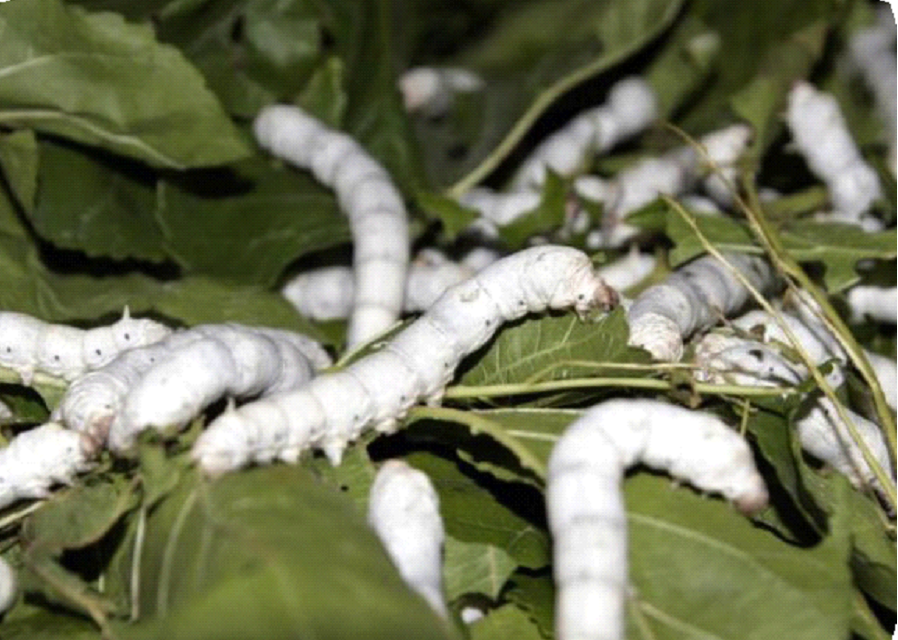
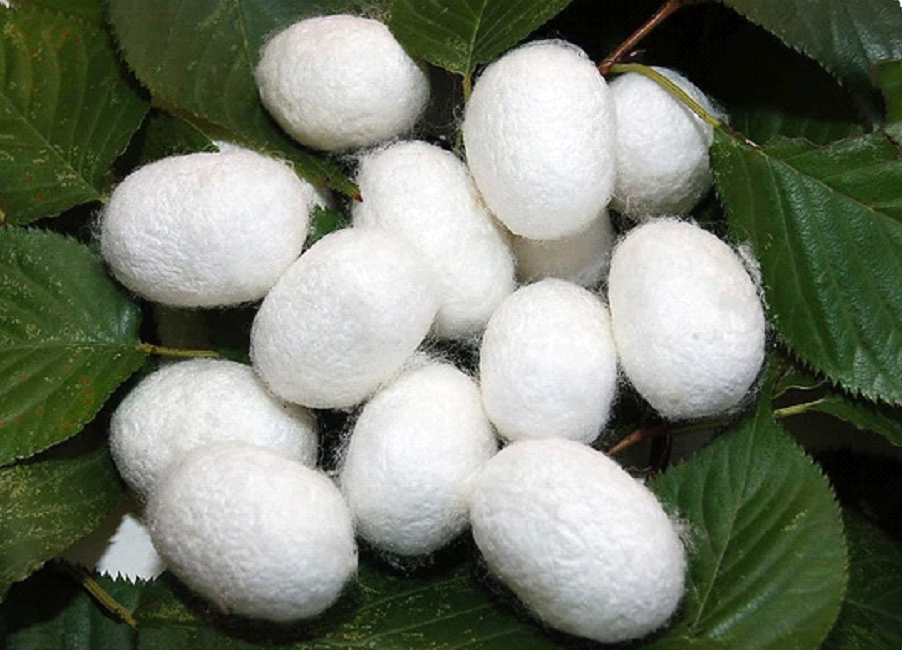
1152.95 acres of land is under mulberry cultivation in this District. Training in Mulberry farming, Rearing Silk Worms is done through a large network of Govt. Departmental Institutions of Sericulture such as Silk quality development farms, Govt. Sericulture training center, Govt. Sericulture Farm, Base seedlings (grain age) development farms, Govt. Bi-voltine grain age centers, govt. cocoon markets, silk reeling unit, silk twisting unit, technical support and service center for rearing silk worm, with the above maintained facilities sericulture industry has good scope in this district.
In the 1152.95 acres of mulberry cultivation, 2,30,590 kg of cocoons is produced with a value of 6, 91, 77,000 rupees. Among the blocks, Tiruvannamalai block has contributed to the larger area of about 248.75 acres followed by 139.20 acres in Kilpennathur block.
32% of land in Tiruvannamalai is used for agricultural activities to produce rice, ground nut and sugarcane. Another major economic activity of the district is Silk Saree weaving, a bulk of India’s Silk apparels is produced by the people of Tiruvannamalai district largest concentration of Silk producers and weavers in Arni Taluk.
Most of the units are based on local resources. Entire Chengam and Cheyyar regions have great potential for promoting agro-based industries. However, the existing potential has not been effectively exploited and can be attributed to poor entrepreneurship talent and initiative among the local youth.
The availability of rare herbs and medicinal plants in Jawadhu Hills and in Melchengam offers promotion of medicinal extraction units in a big way. The concentration of neem trees in Thiruvannamalai and adjoining district of Villupuram offers promotion of neem based industries in this district. By and large, the district is suitable for promotion of agro-based industries.
Arani has been one of the historical silk and cotton weaving centres in India. It is famous for its light weight and affordable handloom silks. Agriculture, bee keeping, poultry are the other major economic activities in the town. The town is also well known for its Paddy and Rice trade.
The availability of rare herbs and medicinal plants in Jawadhu Hills and in Melchengam offers promotion of medicinal extraction units in a big way. The concentration of neem trees in Thiruvannamalai and adjoining district of Villupuram offers promotion of neem based industries in this district. By and large, the district is suitable for promotion of agro-based industries.
Tiruvannamalai is well connected by rail and road network. The important road networks are NH 234( which connects Tiruvanamalai to Viluppuram) and NH 66(Connects Tiruvanamalai to Puduchery and Krishnagiri). It is 175 KM from Chennai airport and 210 KM from Chennai Port.
| S.No | Criteria | Description | Commodity | |||
|---|---|---|---|---|---|---|
| Paddy and Sugarcane | Groundnut | Blackgram | Samai | |||
| 1 | Trending number of producers involved in the commodity | For commodities which has large number of producers. | Water Intensive crop. Hencenot prioritised | >100% | >100% | Positive |
| 2 | Community Interest | Economic viability, Staple food, Knowledge and technology availability, Extension services, Awareness about Market availability | Top most district in production, Ready markets production in all three seasons | Raised under rainfed conditions Under water stressed conditions | In hills known for small millet production | |
| 3 | State/National Priority(Thrust from government) | State/National Government Schemes and Investments | One of the chosen districts for Oil seeds mission and seed production,MSDA scheme. | One of the chosen districts for NFSM, Integrated Development of Pulses Village Scheme | Chosen district for promotion of small Millets promotion. CCentre for excellence in Millets | |
| 4 | Comparative advantage | Production, Favourable climatic conditions, GI type characteristics, Uniqueness emerging out of Ethinicity and culture, A prevalent cluster. | Major share in state production, High demand for Certain varieties,Soil and climate favourable for groundnut production | Largest producer of Blackgram,favorable climatic condition, | Largest producer of samai in the state, Tribal belts | |
| 5 | Access to Market | Ability to sell the produce at a remunerative price-Local, National&International markets. | High demand for groundnut for oil extraction. Arrivals in APMC high after Paddy | Steady increase in demand throughout the nation,rise in prices. | High demand for samai in local market and the proximity to Andhra major market for Ragi | |
| 6 | Opportunity forValueChain Interventions | Productivity and value added products. | Productivity significantly lower than the State Average though largest producing state, Value added products | Scope for productivity enhancement, promotion of summer pulses, delayed marketing facilities, | Productivity significantly lower than the State Average though the largest producing district in the state | |
| S.No | Taluks | S.No | Blocks |
|---|---|---|---|
| 1 | Tiruvannamalai | 1 | Tiruvannamalai |
| 2 | Kilpennathur | 2 | Thurinjapuram |
| 3 | Chengam | 3 | Kilpennathur |
| 4 | Thandrampet | 4 | Chengam |
| 5 | Polur | 5 | Pudhupalayam |
| 6 | Kalasapakkam | 6 | Thandarampet |
| 7 | Chetpet | 7 | Polur |
| 8 | Arni | 8 | Kalasapakkam |
| 9 | Vandavasi | 9 | Chetpet |
| 10 | Cheyyar | 10 | Jamuna Maruthur |
| 11 | Vembakkam | 11 | Arni |
| 12 | Arni(W) | ||
| 13 | Anakkavoor | ||
| 14 | Vembakkam | ||
| 15 | Vandavasi | ||
| 16 | Pernamallur | ||
| 17 | Cheyyar | ||
| 18 | Thellar |